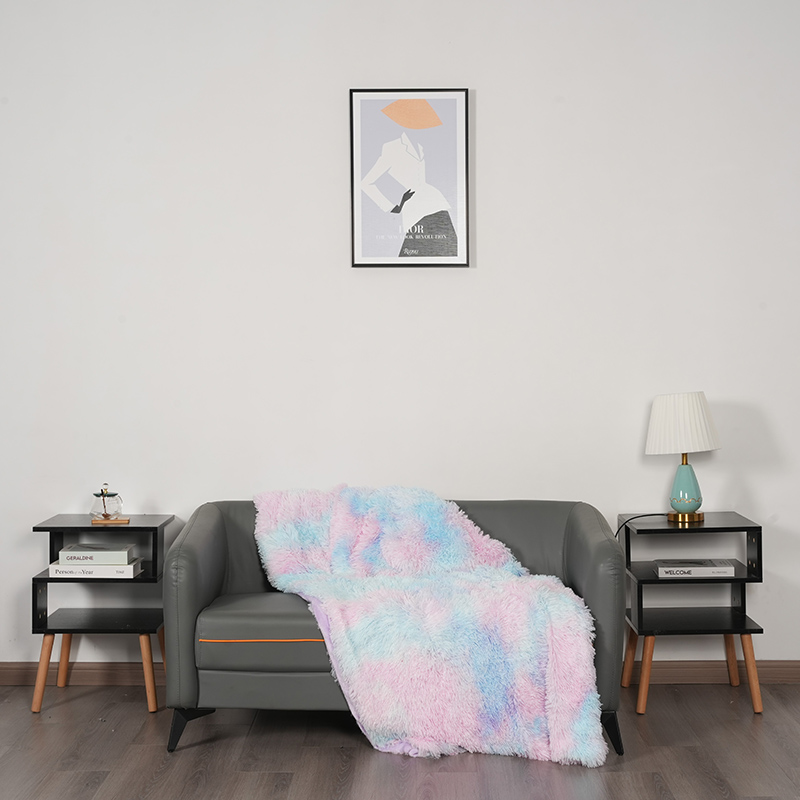
Material Composition and Structural Characteristics of Double-Sided Fleece Fabric
Double-sided fleece fabric is primarily constructed from synthetic fibers, with polyester serving as the dominant raw material due to its stability, strength, and adaptability in textile processing. Polyester fibers are manufactured through polymerization processes that produce long-chain molecules, which are then extruded into fine filaments. These filaments are further processed into staple fibers or continuous filaments depending on the desired fabric characteristics. In the case of double-sided fleece fabric, polyester is favored because it provides a consistent base that supports brushing on both sides without compromising structural integrity. Shaoxing DingYi Textile Co., Ltd., a China Double-Sided Fleece Fabric Manufacturers and Double-Sided Fleece Fabric Factory located in China Textile City, Shaoxing, Zhejiang, utilizes carefully selected polyester fibers to ensure uniformity in texture and performance. The selection of raw fibers is controlled through strict incoming material inspection, ensuring that only fibers with appropriate fineness, length, and tensile strength are used in production. This contributes to a stable fiber foundation that supports subsequent knitting and finishing processes.
In some variations of double-sided fleece fabric, blended fibers are introduced to enhance specific properties. For instance, small proportions of elastomeric fibers may be added to improve stretchability, allowing the fabric to recover its shape after deformation. Regenerated cellulose fibers may be blended to improve moisture absorption and softness. These blends must be carefully balanced to avoid compromising the durability and consistency of the fabric. The fiber composition also influences the fabric’s ability to undergo brushing on both sides. Polyester fibers are particularly suitable because of their resilience and resistance to breakage during mechanical processing. Shaoxing DingYi Textile Co., Ltd. integrates these material advantages into its production systems, ensuring that the fiber composition aligns with the intended end-use applications, including blankets, apparel linings, and home textile products. Through continuous monitoring and optimization of fiber selection, we maintain a high level of consistency across production batches, supporting large-scale supply requirements for global markets.
Yarn formation is a critical stage in the development of double-sided fleece fabric, as it determines the foundational characteristics that influence the final textile structure. The transformation of raw fibers into yarn involves spinning techniques that align fibers into a continuous strand with controlled twist and tension. The spinning method selected directly affects yarn uniformity, strength, and surface smoothness. Shaoxing DingYi Textile Co., Ltd., a China Double-Sided Fleece Fabric Manufacturers and Double-Sided Fleece Fabric Factory, applies controlled spinning techniques to produce yarns that meet strict quality standards. The yarns used in fleece fabric production must exhibit consistent diameter and minimal variation along their length to ensure even knitting and stable fabric formation. Irregularities in yarn can lead to defects in the knitted structure, which may affect brushing results and overall fabric appearance.
Knitting processes, such as weft knitting or warp knitting, utilize these yarns to form looped structures that define the fabric’s elasticity and flexibility. The loop formation is highly dependent on yarn properties, including twist level and elasticity. Yarn with excessive twist may reduce softness, while insufficient twist may compromise strength. Therefore, an optimal balance must be achieved during yarn preparation. In addition to structural considerations, yarn formation also impacts the fabric’s tactile properties. Yarns with finer filaments tend to produce smoother and softer surfaces after brushing. Shaoxing DingYi Textile Co., Ltd. incorporates these considerations into its production workflow, ensuring that yarn specifications align with the requirements of double-sided brushing. Through precise control of yarn tension during knitting, we maintain uniform loop formation, which contributes to consistent fabric density and appearance. The integration of high-quality yarn formation techniques ensures that the resulting double-sided fleece fabric maintains durability while achieving the softness and comfort expected from fleece textiles. This stage serves as a bridge between raw fiber properties and the final structural characteristics of the fabric.
The double-sided brushing process is one of the defining stages in the production of double-sided fleece fabric, as it creates the characteristic soft surface on both sides of the material. After the base fabric is knitted, it undergoes mechanical brushing using specialized equipment equipped with rotating rollers covered in fine abrasive materials or wire bristles. These rollers lift the fibers from the yarn loops, forming a raised pile that enhances both texture and insulation. Shaoxing DingYi Textile Co., Ltd. applies controlled brushing techniques to ensure that both sides of the fabric receive uniform treatment. The brushing intensity, speed, and number of passes are carefully adjusted to achieve the desired pile height and density. Excessive brushing may weaken the fabric by breaking fibers, while insufficient brushing may result in a flat and less comfortable surface. Therefore, balancing these parameters is essential for producing high-quality double-sided fleece fabric.
The brushing process not only enhances softness but also contributes to the fabric’s visual appeal. The raised fibers create a plush and uniform appearance that is consistent across the entire surface. This uniformity is particularly important for products such as blankets and apparel, where aesthetics and tactile comfort are both significant considerations. During production at Shaoxing DingYi Textile Co., Ltd., quality inspection teams monitor the brushing stage to ensure that fiber lifting is even and that no defects such as uneven pile distribution or fiber shedding occur. The consistency of the brushing process directly influences the durability and longevity of the fabric, as well as its resistance to pilling. The double-sided nature of the brushing process distinguishes this fabric from single-sided fleece, providing symmetrical softness and improved insulation. This structural characteristic enhances usability, as both sides of the fabric offer similar comfort levels, making the material versatile for a wide range of applications.
The internal architecture of double-sided fleece fabric is primarily defined by its loop structure, which is formed during the knitting process. These loops are interconnected in a systematic arrangement that provides flexibility, elasticity, and structural coherence. The loop geometry determines how the fabric behaves under stress, including its stretchability and recovery after deformation. Shaoxing DingYi Textile Co., Ltd., a China Double-Sided Fleece Fabric Manufacturers and Double-Sided Fleece Fabric Factory, ensures that loop formation is consistent across the fabric width and length. This consistency is achieved through precise machine calibration and continuous monitoring of knitting parameters. Uniform loop size and spacing contribute to even fabric density and stable mechanical properties. The loops serve as the structural framework that supports the brushed fibers. During the brushing process, fibers are extracted from these loops to form the pile on both sides. The strength of the loop structure determines how well the fibers remain anchored within the fabric. A well-constructed loop system prevents fiber detachment and enhances durability.
The internal architecture also affects the fabric’s breathability and thermal performance. The spaces between loops create microchannels that allow air circulation, contributing to ventilation while still retaining heat. This balance between airflow and insulation is a key feature of double-sided fleece fabric. Shaoxing DingYi Textile Co., Ltd. integrates loop structure optimization into its production process by adjusting knitting tension and yarn feed rates. These adjustments allow us to control fabric thickness, elasticity, and surface uniformity. The result is a fabric structure that maintains its integrity under repeated use while providing a comfortable tactile experience. The loop architecture, combined with double-sided brushing, creates a multilayered structure that enhances both functionality and aesthetics. This synergy between internal and surface structures defines the performance characteristics of double-sided fleece fabric.
Density, weight, and thickness are key physical parameters that define the performance and application range of double-sided fleece fabric. These parameters are interdependent and are carefully controlled during production to achieve specific fabric properties. Shaoxing DingYi Textile Co., Ltd., a China Double-Sided Fleece Fabric Manufacturers and Double-Sided Fleece Fabric Factory, produces fabrics with varying densities and weights to meet different market requirements. Fabric density refers to the compactness of the fiber and loop arrangement, while weight is typically measured in grams per square meter (GSM). Thickness is influenced by both the base knit structure and the extent of brushing on both sides. Higher density fabrics generally provide improved durability and thermal insulation due to the increased concentration of fibers. These fabrics are often used in heavy blankets and winter apparel. Lower density fabrics, on the other hand, are lighter and more breathable, making them suitable for garments that require flexibility and comfort.
Thickness is enhanced through the double-sided brushing process, which raises fibers on both surfaces of the fabric. This added thickness contributes to a plush feel and improved heat retention. Shaoxing DingYi Textile Co., Ltd. carefully calibrates brushing parameters to achieve the desired thickness without compromising fabric stability. Weight distribution across the fabric is also monitored to ensure uniformity. Inconsistent weight may indicate variations in density or thickness, which can affect product performance. Through continuous quality inspection, we maintain consistent GSM values across production batches. The ability to control density, weight, and thickness allows Shaoxing DingYi Textile Co., Ltd. to produce a wide range of double-sided fleece fabrics tailored to specific applications, including lightweight apparel fabrics and heavier home textile materials. This flexibility supports diverse customer requirements across global markets.
The thermal insulation properties of double-sided fleece fabric are derived from its unique structural composition, which includes brushed fibers, looped base layers, and trapped air pockets. These elements work together to reduce heat transfer and maintain warmth in various environmental conditions. Shaoxing DingYi Textile Co., Ltd., a China Double-Sided Fleece Fabric Manufacturers and Double-Sided Fleece Fabric Factory, designs its fabrics with insulation efficiency in mind. The double-sided brushing process increases the number of fibers exposed on both surfaces, enhancing the fabric’s ability to trap air. Air acts as a natural insulator, slowing down the transfer of heat between the body and the environment. The loop structure within the fabric further contributes to insulation by creating internal spaces where air can be retained. These micro air pockets reduce thermal conductivity and help maintain a stable temperature. The combination of brushed surfaces and looped architecture results in a multilayered insulation system.
Fabric thickness and density also influence insulation performance. Thicker and denser fabrics typically provide higher levels of warmth, while lighter fabrics offer moderate insulation with improved breathability. Shaoxing DingYi Textile Co., Ltd. adjusts these parameters based on product specifications to achieve the desired balance between warmth and comfort. Moisture management plays a supporting role in insulation performance. While polyester fibers do not absorb moisture easily, the fabric structure allows moisture vapor to pass through, preventing dampness that could reduce insulation efficiency. This contributes to maintaining a comfortable microclimate close to the body. Through controlled manufacturing processes, Shaoxing DingYi Textile Co., Ltd. ensures that the insulation properties of double-sided fleece fabric remain consistent and reliable across different product categories.